
Whale Species You Might See
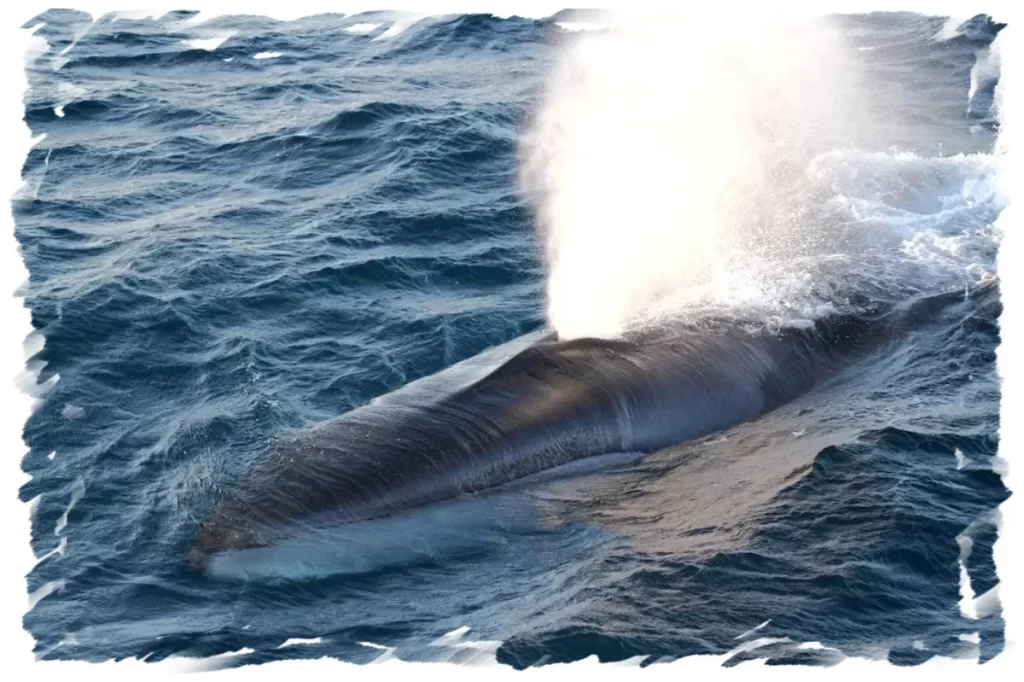
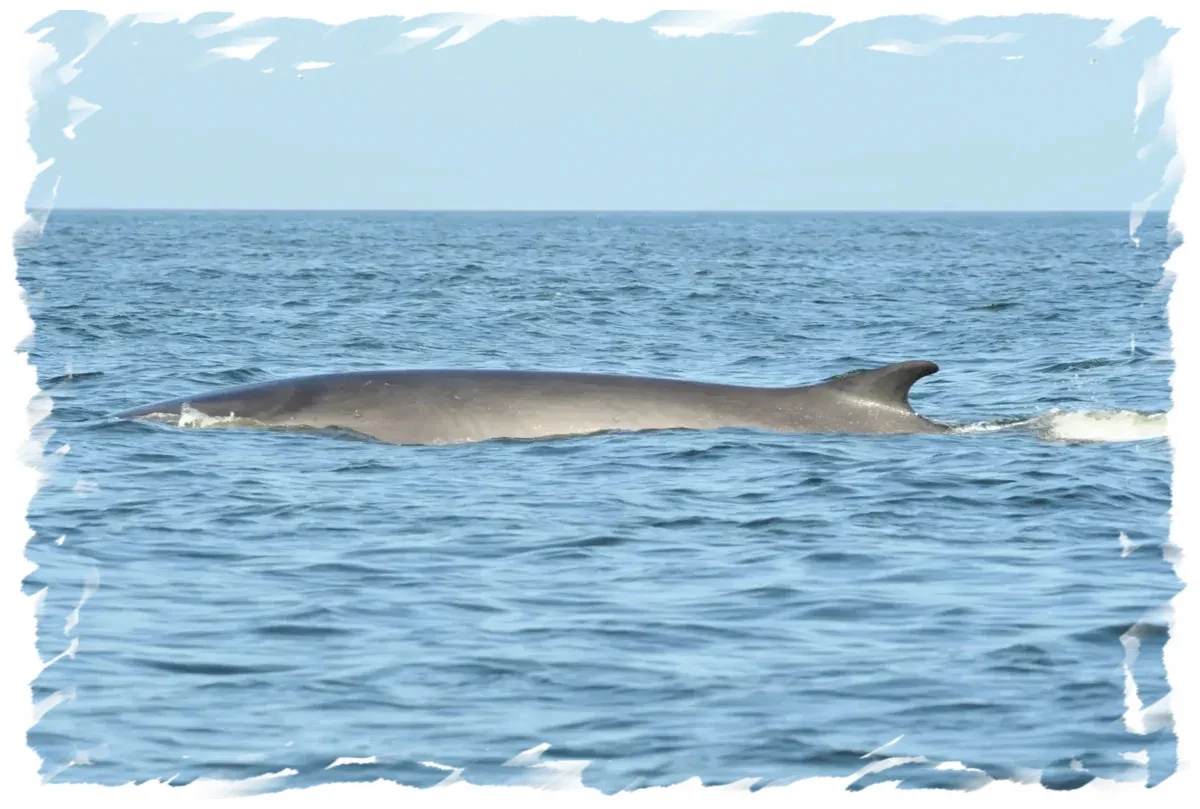
By far the most abundant species of whale in this area is the Fin Whale (Balaenoptera physalus), with sightings registered from October – April at over 80% for vessels visiting the national park, though sightings of Humpback, Blue and Minke Whales are not uncommon.
Below you have details of the most abundant species of whale you are able to see during these whale watching trips from Chañaral de Aceituno village, along with some basic information about each species:

Fin Whale
(Balaenoptera physalus)
- Length and weight: average of 22 m, and can be up to 26m, typical adult weighs 40-50 tons, but largest specimens can weigh up to 80 tons.
- Type: Baleen Whale
- Feeds on: mainly krill, but also some copepods, fish and squid.
- Migration. From high-latitude Antarctic feeding grounds in the summer to low-latitude breeding and calving areas in the winter.
- IUCN Conservation status: Vulnerable
- Fun Facts:
This is the second-largest mammal to exist in the history of the world, only second to the Blue Whale. Fin Whale have assymetrical coloration on their lower jaw: the left side tends is dark grey, the right side has a lighter coloration. It is thought that this is so that when they lunge and tilt their head to the right to feed, the whale is more camoflage and less visible to its prey below.
Humpback Whale
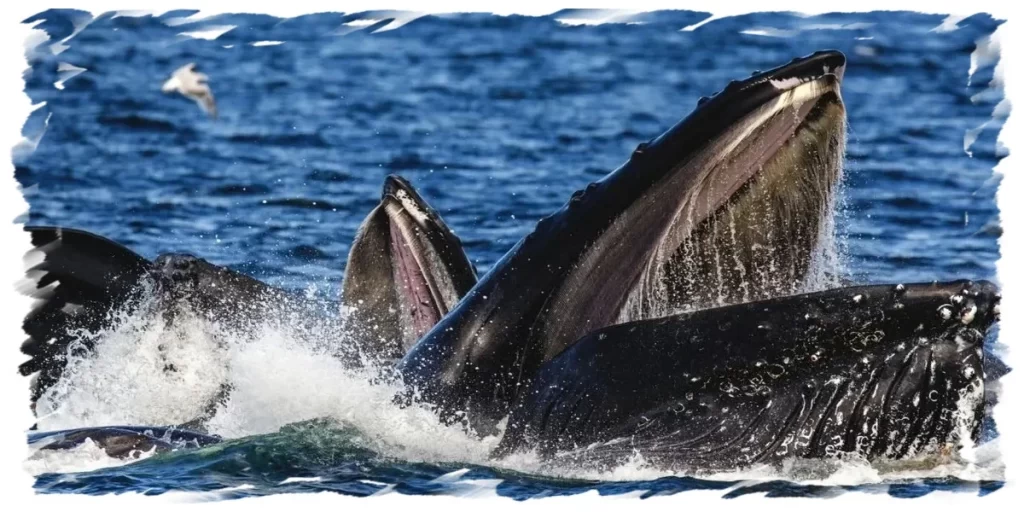
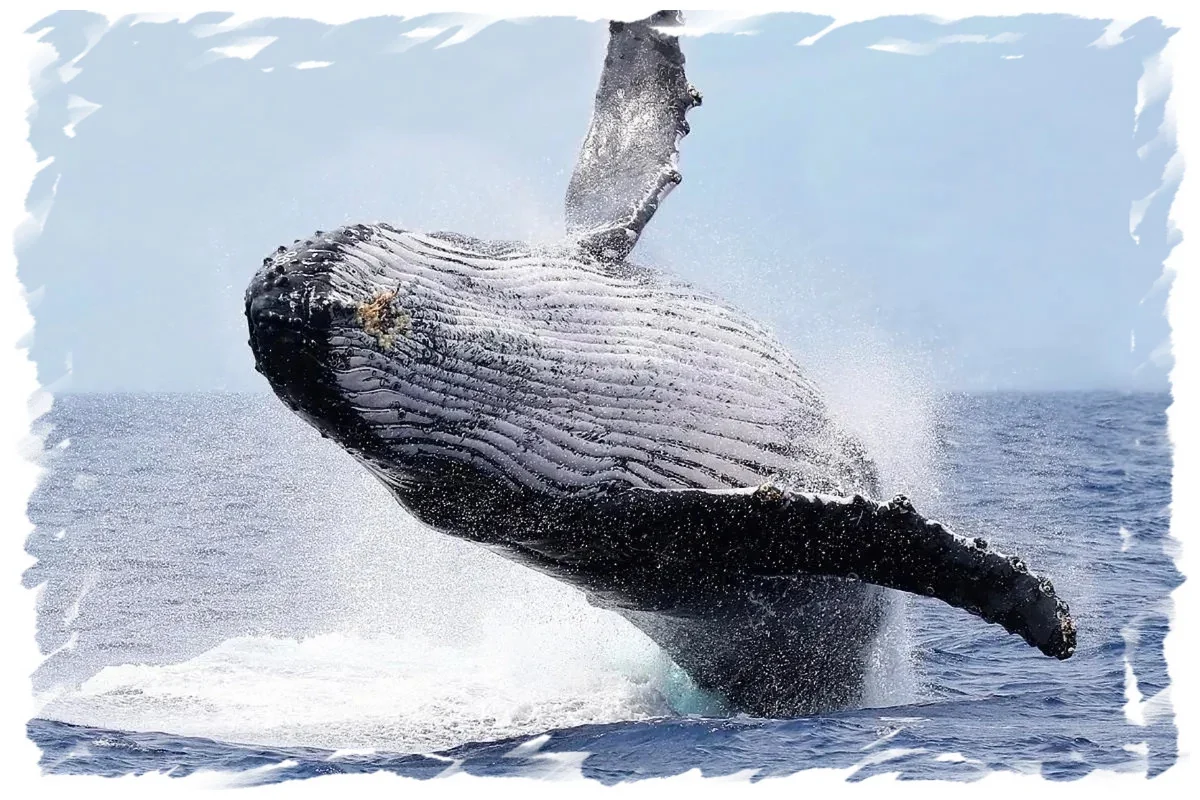
(Megaptera novaeangliae)
- Length and weight. Adults range from 14-17m, and weigh up to 40 tons.
- Type: Baleen Whale
- Feeds on: krill, but also anchovies, fish and plankton.
- Migration. From Antarctic feeding grounds to subtropical waters off the west coast of Central and South America.
- IUCN Conservation status: Vulnerable
- Fun Facts.
Humpbacks use a feeding strategy called “bubble-net feeding,” where they blow bubbles in a circle to corral prey, then lunge through the bubbles to eat.
Humpback whale throats are the roughly the size of a grapefruit, so they cannot ingest prey larger than that.
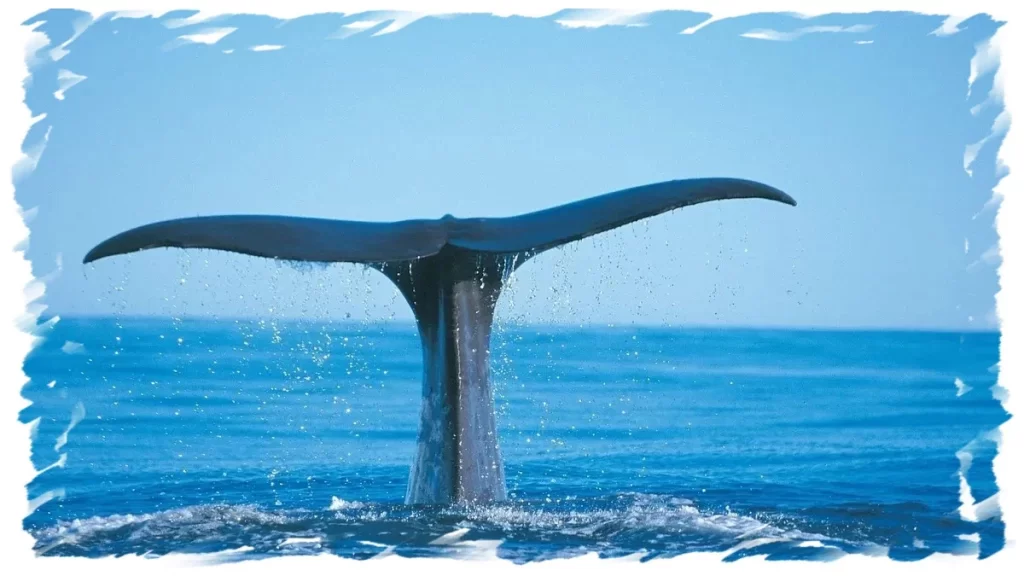
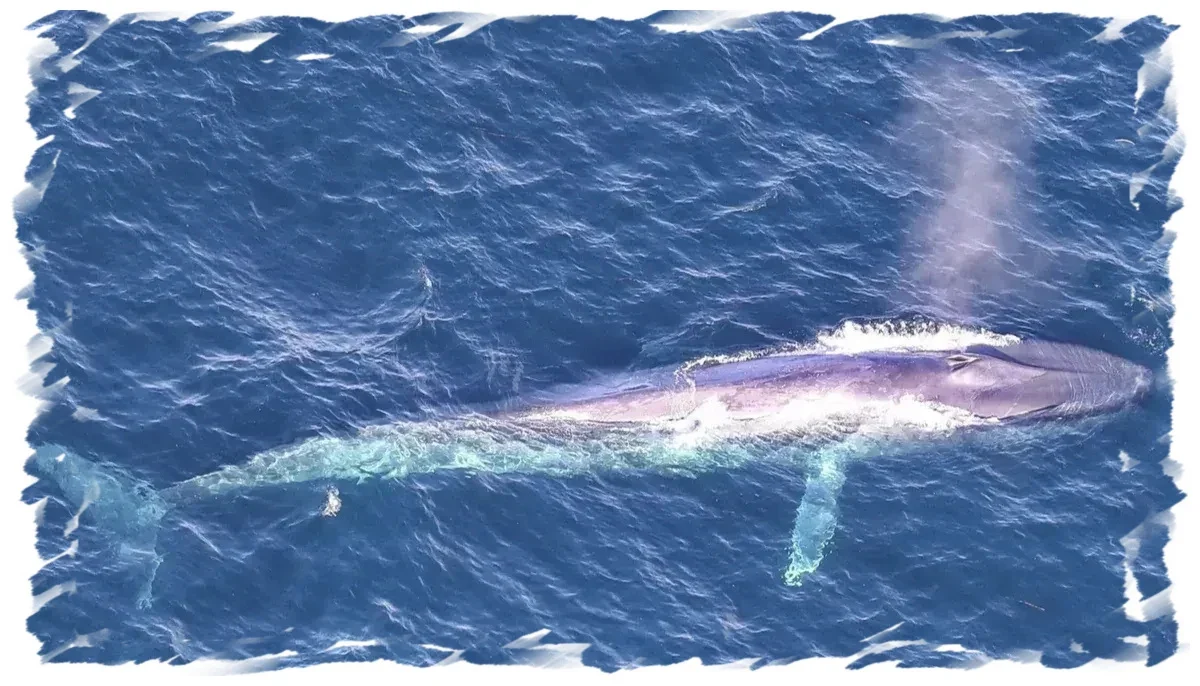
Blue Whale
(Balaenoptera musculus)
- Length and Weight: from 24- 30 m, weighs 100-150 tons.
- Type: Baleen Whale
- Feeds on: Almost exclusively krill.
- Migration. From high-latitude Antarctic feeding grounds in the summer to low-latitude breeding and calving areas in the winter
- IUCN Conservation status: Endangered
- Fun Facts
The blue whale is the largest animal known ever to have existed. Its heart is the size of a small car, its tongue is the weight of an elephant.
Minke Whale
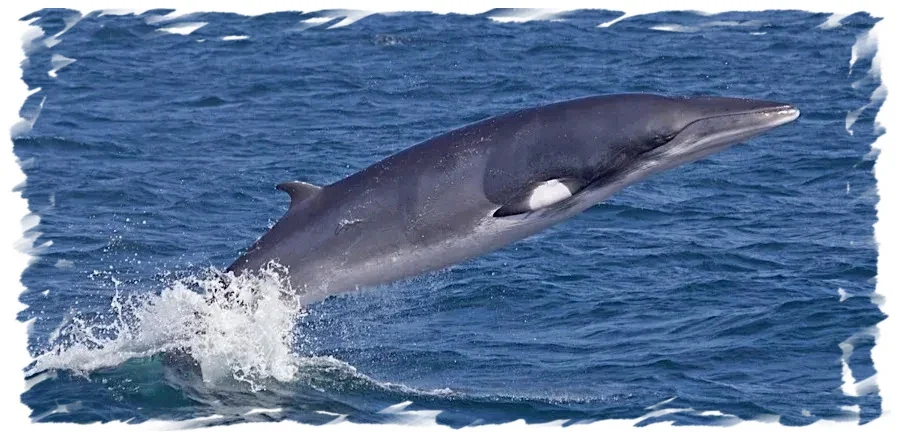
(Balaenoptera acutorostrata)
- Length and Weight: Adult length of 8m for males and 9m for females, weighs around 8 tons.
- Type: Baleen Whale
- Feeds on: Almost exclusively krill (Euphausia superba) in the Southern hemisphere.
- Migration. Although not strictly coastal, the Minke Whale rarely travels further than 170 km from the land, and travels towards the coast to feed. Minke Whales migrate towards the tropics in winter and towards the poles in spring.
- IUCN Conservation status: Least Concern
- Fun Facts: One of the most abundant whale species, with a global population of over 500,000. Minke whales are predated upon by Killer Whales.

Sperm Whale
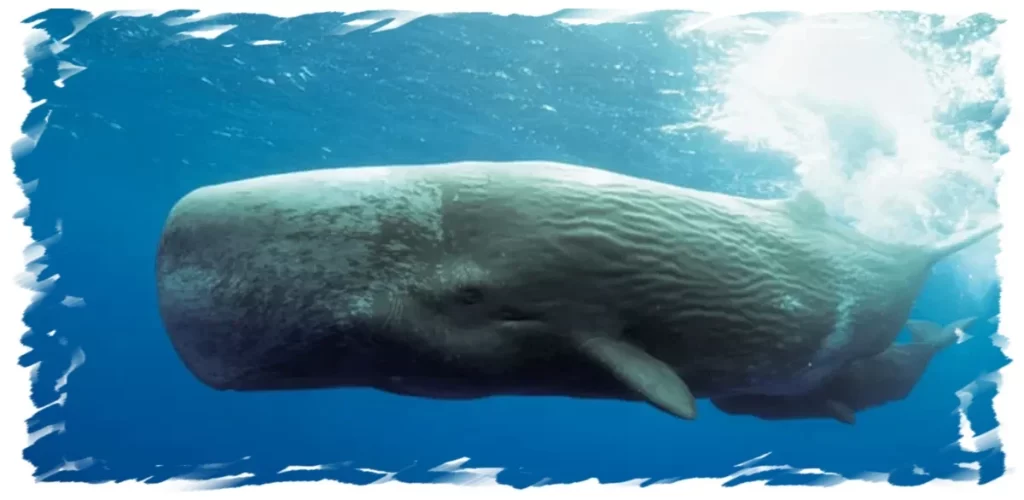
(Physeter macrocephalus)
- Length and Weight: 11-18 m, weighs 20-50 tons.
- Type: Toothed Whale
- Feeds on: Giant squid (Moroteuthis robusta), Humboldt Flying Squid (Dosidicus gigas), Octopus as well as sharks, rays and patagonian toothfish (Dissostichus eleginoides) at great ocean depths.
- Migration. Males migrate towards the poles during winter, and females remain as a group in tropical or subtropical waters. In winter, Males return to low-altitude areas for reproduction.
- IUCN Conservation status: Threatened
- Fun Facts
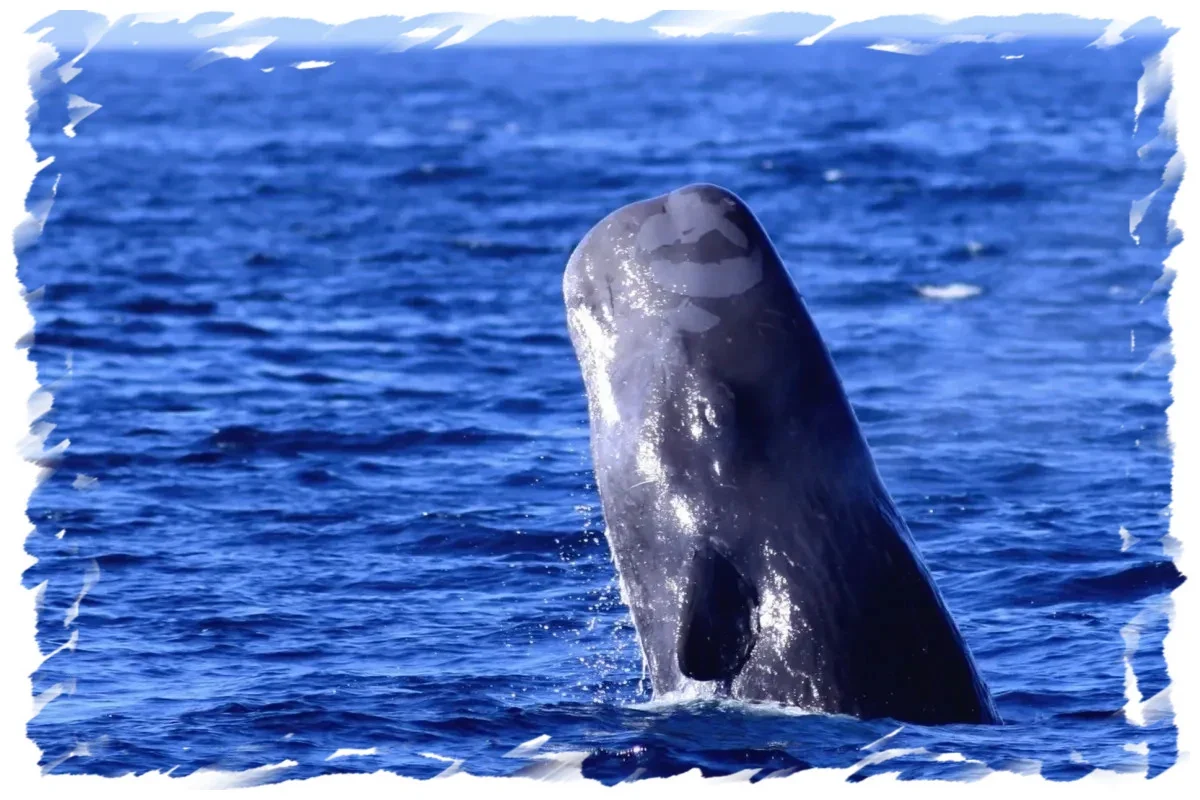
Sperm whales dive to depths of 1000-3000 m in search of food, they are the third deepest mammalian divers. They have visible scars over their heads through their interactions with Giant Squid tentacles. Sperm whales have a gregarious family nucleus of 10 to 20 specimens, mainly females with calves. Male “bulls” live solitary outside of the mating season. Sperm whales have the largest brains on earth, as well as the loudest vocalizations of any animal on earth.
Other sightings at Chañaral de Aceituno include the bottlenose dolphin (Tursiops truncatus), Risso’s dolphin (Grampus griseus), South American sea lion (Otaria flavescens), South American Fur Seal (Arctocephalus australis) and Marine otter (Lontra felina).
There is also a wealth of bird life including Humboldt penguins (Spheniscus humboldti), Peruvian Boobies (Sula variegata), Neotropic Cormorants (Phalacrocorax brasilianus), Red-legged cormorants (Poikilocarbo gaimardi), Sooty Shearwaters (Puffinus griseus), Peruvian Diving Petrels (Pelecanoides garnotii), among many more!
Whale Watching Chile 2025